BLOG TAMPLATE

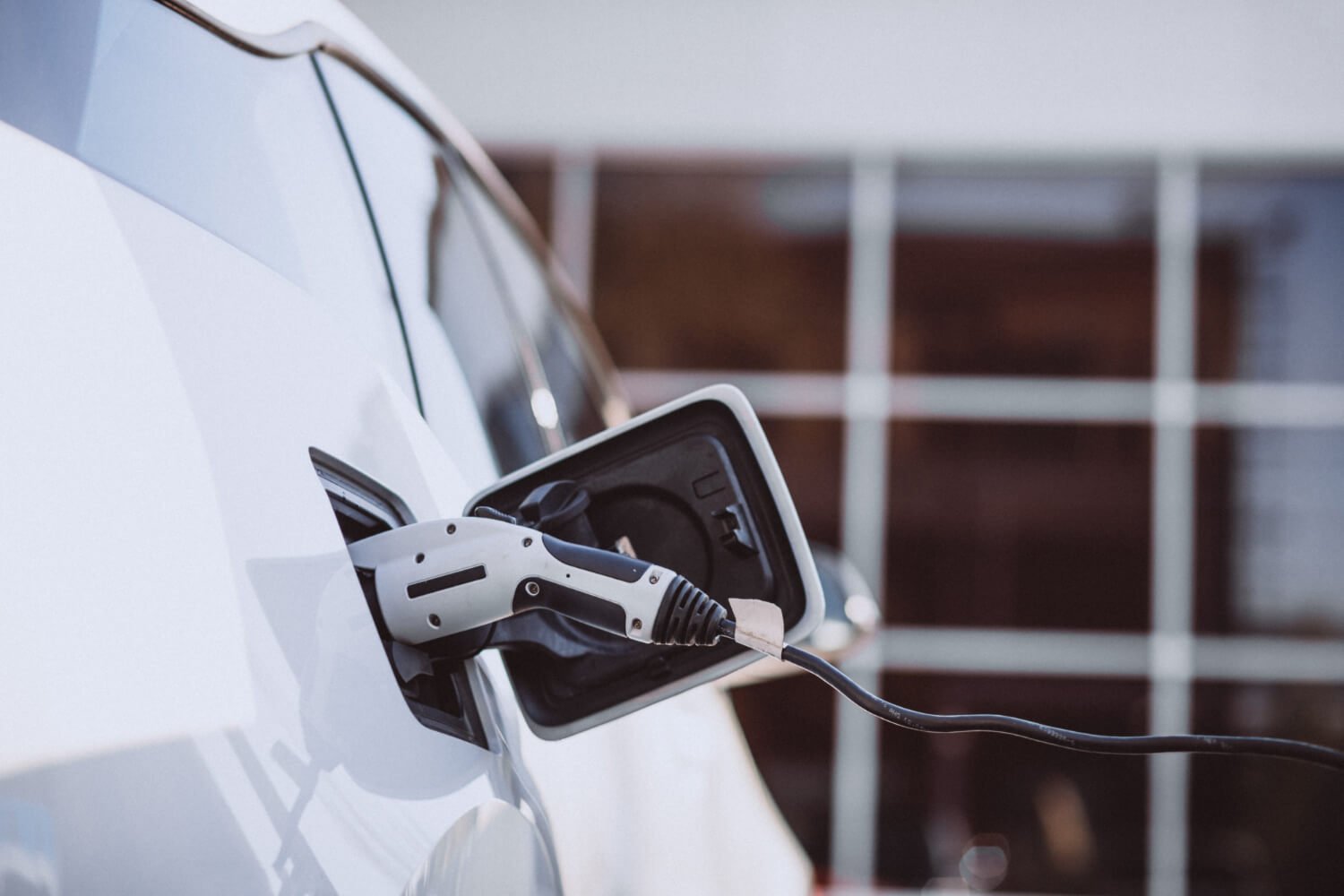
Electric vehicles (EVs) have become a cornerstone of sustainable mobility in 2025. With rapid adoption across both developed and developing nations, EVs are influencing not only the environment but also the economy, infrastructure, and daily life.
1. Environmental Benefits
EVs significantly reduce tailpipe emissions, helping to lower urban air pollution and greenhouse gases. Cities like Beijing and Kigali are already seeing cleaner skies and quieter streets thanks to widespread EV use. However, the environmental impact depends on how electricity is generated—coal-powered grids still pose challengesEMAN Conference.
2. Energy and Infrastructure Shifts
The rise of EVs is accelerating investment in renewable energy and smart grids. Charging stations are becoming more common, and many are solar-powered or integrated with battery storage. Governments are incentivizing home charging setups and public fast-charging networks.
3. Economic and Social Transformation
EVs are creating new job markets in battery manufacturing, software development, and green infrastructure. In developing countries, electric motorcycles and taxis are offering affordable, clean transport options, improving mobility and reducing noise pollution.
4. Technological Innovation
Modern EVs feature AI-assisted driving, real-time diagnostics, and over-the-air updates. Brands like Tesla, Honda, and Rivian are pushing boundaries with autonomous features and luxury electric models.
5. Challenges and Considerations
While EVs offer many benefits, they also raise concerns about battery recycling, rare earth mining, and grid capacity. Policymakers are working to ensure ethical sourcing and circular economies for EV components.