BLOG TAMPLATE

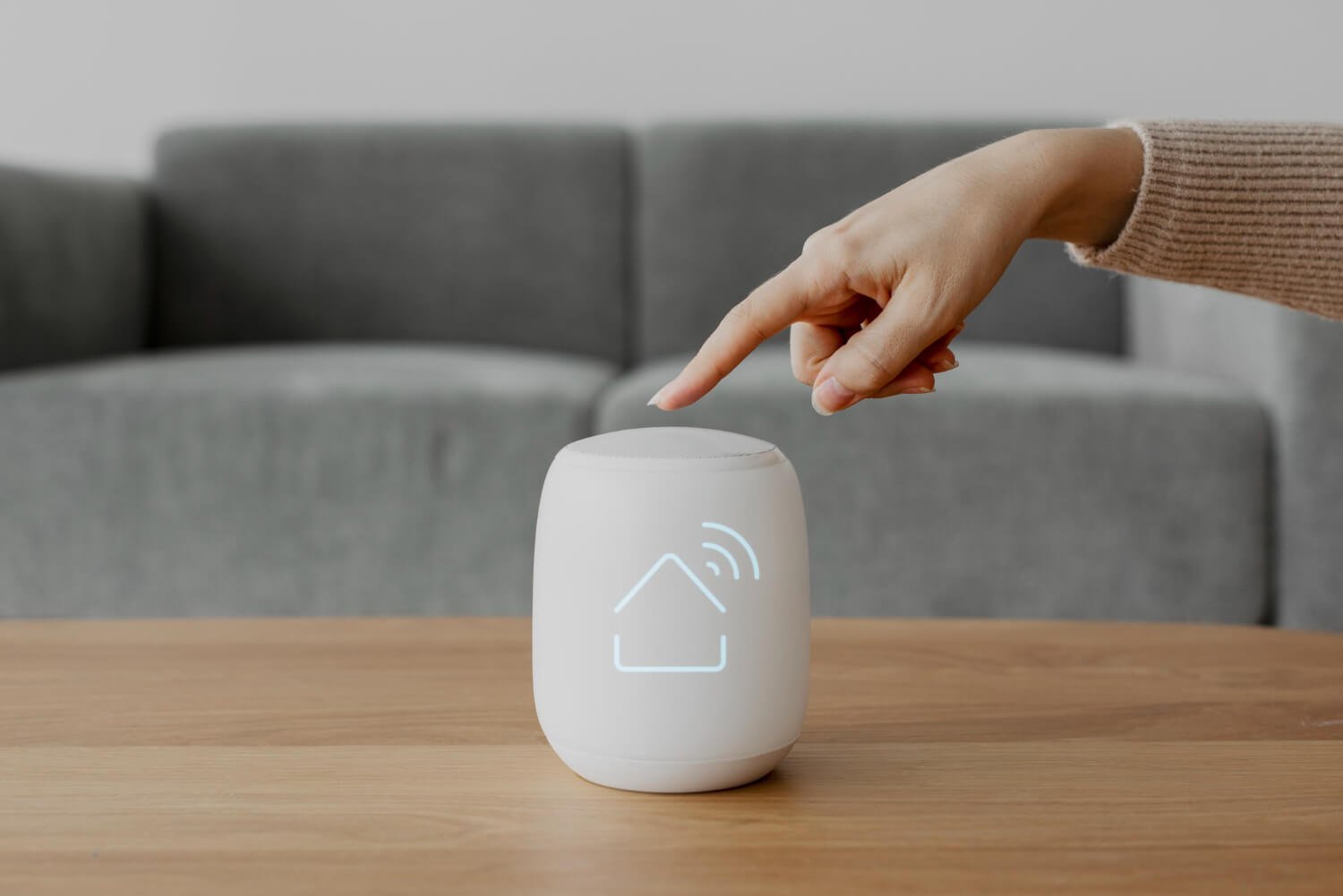
Smart home appliances have evolved dramatically in 2025, transforming everyday living into a seamless, intelligent experience. No longer just convenient gadgets, these devices are now deeply integrated into our homes, powered by AI, IoT, and sustainable design.
1. AI-Driven Personalization
Modern appliances now adapt to user behavior. Refrigerators suggest recipes based on what’s inside, washing machines optimize cycles based on fabric type, and smart ovens adjust cooking time using AI vision. These features reduce waste and improve efficiency.
2. Energy Efficiency and Sustainability
Manufacturers are prioritizing eco-friendly materials and energy-saving technologies. Smart thermostats and appliances now sync with solar panels and energy grids, helping homeowners reduce carbon footprints and utility bills.
3. Voice and Gesture Control
Thanks to advanced natural language processing and motion sensors, users can control appliances with voice commands or simple gestures. This hands-free interaction is especially useful in kitchens and bathrooms.
4. Interconnectivity and Automation
Appliances are no longer isolated. Your coffee maker starts brewing when your alarm goes off. Your air purifier adjusts based on outdoor air quality. These systems communicate through unified platforms like Matter and integrate with assistants like Alexa, Google Home, and Samsung SmartThings.
5. Security and Privacy Enhancements
With increased connectivity comes greater concern for data security. In 2025, smart appliances feature encrypted communication, biometric access, and local data processing to protect user privacy.
6. Design Meets Function
Appliances now blend into modern interiors with minimalist designs, customizable panels, and ambient lighting. Brands like Samsung, LG, and Hisense are leading the way with modular, AI-enhanced product lines.